
All stories
Nlinkrepeat customerscustomer retentioncustomer loyaltysmall business AfricaWhatsApp businesscustomer experiencedigital presence
From First-Time Buyer to Regular: How to Build Customer Memory Without Expensive Software
Meta description: Turn first-time buyers into regulars without expensive software. A practical guide to remembering your customers, keeping in touch and building repeat business.
Onyinye Ogbuka 10/28/2026 1 0
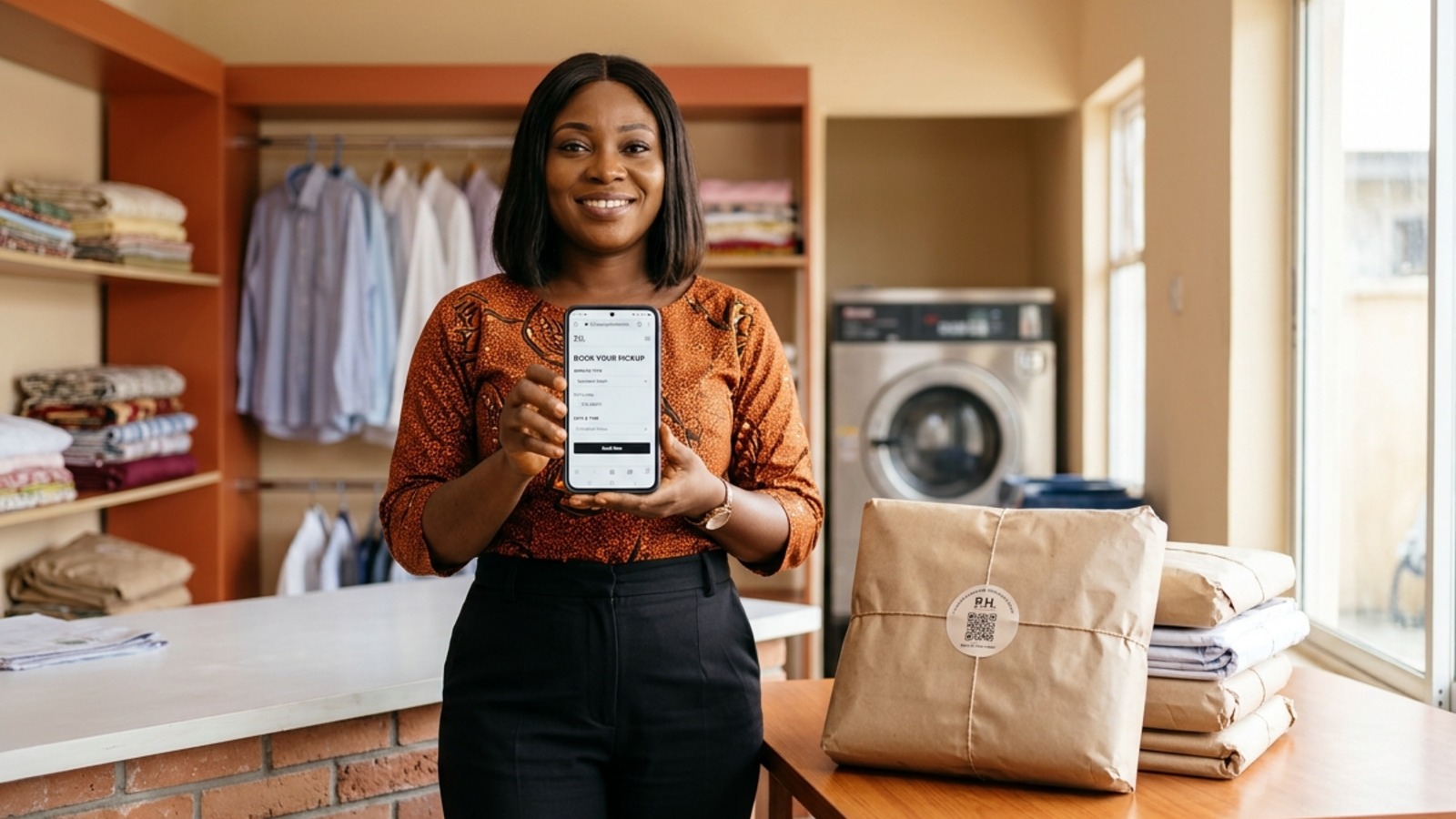
Amara runs a laundry and dry-cleaning service in Port Harcourt. She picks up bags on Monday, washes through Tuesday and Wednesday and delivers by Thursday. Her work is clean, her prices are fair and her customers say so.
Every month, about forty new customers try her service after seeing a friend's neatly folded shirts or a post on her page. Most of them are happy. Most of them also never come back.
For a long time, Amara assumed it was about price. Perhaps someone cheaper had appeared. She even considered lowering her rates.
Then one day, a customer from three months earlier messaged her: "Hi, I used your service in August. Do you still pick up from Rumuola?" The customer had loved the service. She had simply forgotten who Amara was and could not find her number.
That was when Amara understood. She had not been losing customers because her work was poor. She had been losing them because nothing brought them back. After the first wash, the relationship had no home: no address to return to, no reminder that she existed, no record of who the customer was or what they liked.
Her customers had not left.
They had drifted.
If that sounds familiar, this guide is for you. You do not need expensive software or a marketing team to turn first-time buyers into regulars. You need a way to remember your customers, stay in touch and make coming back easy.
Here is how to build it.
Why regulars matter more than you think
A new customer is exciting, but a regular is where a small business becomes steady. A regular already trusts you, so you do not have to persuade them again. They know your work, your prices and your style, so they ask fewer questions. They tend to order more often, and they are the people most likely to recommend you to a friend.
The opposite is also true. When a business depends only on new customers, it has to re-earn the same attention every month, including from people who already came once. Every sale starts from zero: the same questions, the same explanations, the same hope that someone finds you again. That is tiring, and it makes income unpredictable.
Repeat business is not magic. It is mostly memory and convenience. Customers return to businesses that remember them and make it easy to come back. Most small businesses do neither on purpose, not because they do not care, but because they never built the place where that happens.
Your business may have no memory
Think about where your customer information lives right now. Some is in your head. Some is in old chats that have scrolled out of sight. Some is in a notebook, a screenshot or a phone contact saved as "Chioma Wedding 2". None of it is in one place, and none of it reaches the customer.
In a physical shop, a good receptionist writes things down. They remember a name, note a preference and say, "Welcome back." Online, that reception often does not exist. So next month, the same customer arrives as a stranger, because nobody wrote anything down.
A business with memory does three things well. It captures who the customer is and what they wanted. It stays present between visits. And it gives the customer a reason and a simple way to return. The next six steps build exactly that.
Step 1: Capture the basics at the first contact
The best moment to learn about a customer is the first time they reach out. They are interested, they are paying attention and they expect to give some details.
Instead of collecting information through scattered messages, put a short form or a clear message option on your page. Ask for only what you will use: their name, a phone number, what they need and any preference that helps you serve them. A laundry might ask for the pickup area and the type of items. A caterer might ask for the date and the number of guests. A salon might ask which service and which stylist.
Every form response or message then arrives in one place, organised, instead of being buried in a chat. You do not need special software to start. Keep a simple list, in a notebook or a spreadsheet, with the name, what they ordered and the date. Ten minutes a week is enough to keep it up.
Step 2: Give them a home to return to
The next problem is the one that cost Amara: the customer had no easy way to find her again.
After a first order, make sure the customer leaves with your address, not just your number. A single page that carries your name, your services, your prices and a way to reach you becomes their bookmark. When they need you again, they do not have to search old chats or ask a friend for your contact.
They open one link.
Put that address everywhere the customer already touches you. Add a QR code to your packaging, your receipts and your delivery notes. Say it when you hand over the order: "Save this link. Next time, you can book in one tap." It sounds small, but it changes the moment of return from "Who was that again?" to "Let me book."
Step 3: Stay present between visits
Out of sight is out of mind. Even a happy customer forgets a business they only meet once every few months. The answer is not to chase them with constant messages. It is to be quietly visible, so when they next think of the service, you are already in the picture.
Your page can do that for you. Post short updates about what is new: a finished job, an open slot, a seasonal offer, a change in your hours. Visitors can follow your page, so your updates reach people who have already shown interest. A few lines and a photo, once or twice a week, are enough.
Think of your page as a notice board in your reception. Anyone who walks in can see what is happening, and regulars who pass by are reminded that you are still there. Keep the tone helpful, not pushy. An update that says, "Two pickup slots open this Saturday" is useful. An update that shouts "Buy now!" five times a day is noise.
Step 4: Give them a reason to return
People come back when they have a reason and a moment. Your job is to match both.
Start with the natural rhythm of your service. A laundry customer needs you every week or two. A barber's customer needs a cut every few weeks. A tailor's customer needs you before a wedding season. A caterer's customer needs you for every birthday and celebration. A coach's client needs a next session. When you know the rhythm, you can post updates and offers that land when they are most useful, such as "Back-to-school uniforms: book your pickup now" or "Festive season bookings are open".
Then add a small reason to act: an early slot for returning customers, a thank-you offer for someone who orders again or a note about something new you have added. It does not have to be a discount. Often, simply saying "I have a slot for you" is enough to turn a maybe into a booking.
Step 5: Make it easy to bring others
Your regulars are also your best marketers. A recommendation from someone a customer trusts is stronger than any advertisement you can buy, and each regular can recruit the next through their own circle.
Make sharing effortless. Send happy customers your link and say, "If you liked my work, forward this to a friend." Add a QR code to your packaging so anyone who sees it can scan it. When someone arrives through a friend, they land on your page, see your work and prices and can book without asking a single question.
You are not asking for a favour. You are giving your happiest customers something easy to pass on.
Step 6: Check in once a week
A business with memory also pays attention. Set aside ten minutes each week to look at what happened.
See how many people visited your page. Count the new messages, form responses and bookings. Look at your simple customer list and notice who has not been in touch for a while. If a regular has gone quiet for longer than usual, a friendly personal message often does the job: "Hi, it has been a while. I have a slot open on Saturday if you need anything washed."
Over a few weeks, patterns appear. You learn which services come back most, which weeks are busy and which customers are due. Then you can plan updates and offers around real behaviour instead of guesswork.
Back to Amara
Here is how Amara's story could have gone differently. She builds a page with her services, her pickup areas and a short form that asks for a name, an address and the type of items. The form responses arrive in one place, and she copies each new name into a simple list with the date and the order.
After every pickup, she tells the customer, "Save this link. Next time, you can book in one tap." Her delivery bags carry a QR code. Twice a week, she posts a short update: a free Saturday slot, a reminder about school uniforms before term, a note that she now covers a new neighbourhood.
A customer who used her once in August sees an update in November and books a pickup. The next week, Amara notices that two regulars have not been in touch for a month and sends each a friendly note. One replies the same afternoon.
Amara's customers did not change. She gave them a home, a memory and a reason to return, and the drifting slowed.
A simple weekly rhythm
You can keep all of this going in about an hour a week.
• Monday: Post one update on your page.
• Midweek: Reply to messages and form responses, and add new customers to your list.
• Friday: Spend ten minutes reviewing visits and messages, then message one or two customers who have gone quiet.
• Always: Hand every new customer your address or QR code.
Four mistakes to avoid
- Collecting too much. Ask only for what you will use. A long form puts people off.
- Messaging too often. One useful update a week beats five desperate ones.
- Forgetting to say thank you. A short note after an order costs nothing and is remembered.
- Never looking back. A list nobody reads is just a pile of names. Spend ten minutes a week with it.
Give your customers a home to return to
Regulars are not an accident. They come from businesses that remember people, stay quietly present and make coming back easy.
You can build all three with a single page and a few weekly habits.
Nlink gives every business a page at nlink.pro/yourname with a message option, forms, updates and a follow button, so first-time buyers have somewhere to return to and you have a place to stay in touch.
It is built for phones, including mid-range phones on mobile data. Setup takes less than 1 minute, and the free plan needs no credit card.
Here is what to do today.
1. Go to nlink.pro and claim your free page.
2. Add a short form or message option that asks for a name and what the customer needs.
3. Add a QR code to your packaging, receipts or flyers.
4. Post your first update.
Your customers have not left. They just have not been given a reason to come back. Claim your free page at nlink.pro and start giving them one.